Warehousing in Riyadh: A 2026 Guide for Growing Businesses
Riyadh’s business scene is expanding faster than most owners can track. New e-commerce brands, importers, and distributors are opening every month, and almost all of them hit the same wall: where do you put your inventory once sales outgrow your office storeroom? Warehousing in Riyadh has quietly become one of the most important operational decisions a growing company makes, yet it rarely gets planned until the stock is already piled in a hallway.
This guide breaks down what warehousing in Riyadh actually involves in 2026, the storage types available, what they cost to get wrong, and how to pick a setup that scales with you instead of against you.
Why Warehousing in Riyadh Matters More Than Ever
Saudi Arabia’s logistics sector has been reshaped by the National Industrial Development and Logistics Program, part of the country’s wider Vision 2030 economic diversification plan. Riyadh sits at the center of that shift as inland freight routes, new industrial zones, and a growing population pull demand for storage space upward year after year.
For a small or mid-sized business, this means two things: competition for good warehouse space is rising, and the cost of poor planning is rising with it. A single bad month of stockouts or spoiled goods can erase a quarter’s profit margin.
The Hidden Cost of DIY Storage
Many founders start by renting a generic storage unit or stacking pallets in a spare office. It works for a while. Then humidity damages packaging, dust contaminates products, or a forklift simply cannot fit through the door. These are not rare edge cases; they are the default outcome of treating storage as an afterthought.
How Much Does Warehousing Cost in Riyadh?
Pricing varies by zone, climate control level, and lease length, but three factors consistently drive the final number:
- Location – zones closer to Riyadh’s main industrial districts and ring roads command higher rents but cut delivery times.
- Climate requirements – ambient space costs less than refrigerated or humidity-controlled bays.
- Contract flexibility – short-term or pay-as-you-grow arrangements usually carry a premium over long leases.
Businesses that compare several providers before committing typically save 15-25% over those who sign with the first warehouse they visit. It pays to shop the market the same way you would shop for a logistics partner, not a storage closet.
Choosing the Right Storage Type
Not every product needs the same environment. Electronics, dry goods, and packaging materials generally do well in general-purpose space, while anything temperature-sensitive needs dedicated handling. For most Riyadh-based distributors, Ambient Storage In Riyadh covers the bulk of inventory that just needs a clean, secure, pest-free facility with stable conditions. When a product line expands into perishables, cosmetics, or pharmaceuticals, Chilled Storage becomes necessary to protect shelf life and meet basic handling standards.
| Storage Type | Typical Temperature | Best For |
|---|---|---|
| Ambient | 15-25°C, humidity controlled | Dry goods, electronics, furniture, packaging |
| Chilled | 2-8°C | Dairy, produce, cosmetics, certain pharmaceuticals |
| Frozen | -18°C or below | Meat, seafood, ice cream, frozen-ready meals |
A Practical Checklist Before You Sign a Lease
- Confirm the exact temperature range the facility guarantees, not just advertises.
- Ask about power backup for climate-controlled zones.
- Check pallet capacity against your 12-month growth forecast, not just current stock.
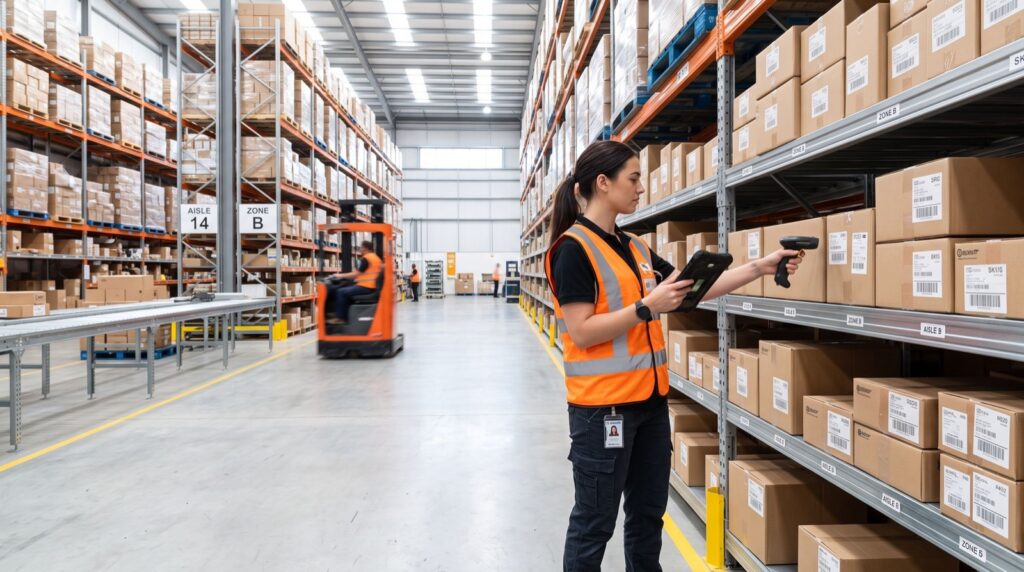
- Review how inventory tracking and inbound/outbound logs are handled.
- Walk the site in person before signing anything long-term.
Benchmarking Against Global Logistics Standards
Saudi Arabia has climbed steadily on the World Bank’s Logistics Performance Index, a metric that tracks how efficiently goods move through a country’s infrastructure. That improvement filters down to warehouse-level service: faster customs clearance, better road networks to industrial zones, and more competitive pricing for businesses that know what to look for.
The lesson for a Riyadh business owner in 2026 is simple: the market is better than it was five years ago, but only if you choose providers who operate at that improved standard instead of settling for outdated facilities still running on manual paperwork.
Learning From Other Service Decisions
The same discipline that helps a company find quality service providers for marketing or growth applies directly to warehousing. In both cases, cheap and fast rarely beats proven and accountable. Ask for references, check how long a provider has operated in the region, and confirm they can show you real client outcomes before committing your inventory to their shelves.
It also helps to think of your warehouse as a second storefront, even though customers never see it. A disorganized facility leads to picking errors, late shipments, and returns that eat into margin just as surely as a badly run storefront drives customers away. Treat the selection process with the same seriousness you would apply to hiring a key member of staff, because in practice a warehouse partner fills a similar role in your operation.
Many Riyadh businesses now run a short trial period with a new storage provider before moving their full inventory over. This lets you test response times, check how accurately staff handle inbound counts, and confirm that climate controls hold steady during the hottest months of the year. A two or three month trial costs little compared to discovering problems after your entire stock is already on their shelves.
Frequently Asked Questions
How do I know if my business needs a dedicated warehouse yet?
If you are spending more than a few hours a week manually managing stock, losing track of inventory counts, or running out of space for seasonal peaks, it is time to move to a dedicated facility. Waiting until you are completely out of room almost always costs more than planning ahead.
Is ambient storage safe for sensitive electronics?
Yes, as long as the facility maintains stable humidity and temperature. Electronics suffer more from fluctuation than from a specific temperature band, so consistency matters more than the exact number on the thermostat.
Can I switch from ambient to chilled storage later?
Most established providers in Riyadh offer both, so you can move specific product lines into chilled space as your catalog grows without changing providers entirely.
What documentation should a warehouse provide?
Expect itemized inbound and outbound logs, temperature records for any climate-controlled zone, and a clear service agreement outlining liability for damaged or lost goods.
Final Thoughts
Warehousing in Riyadh is no longer a side decision you make once and forget. It is an operational foundation that either supports your growth or quietly limits it. Take the time to compare facilities, match the storage type to your actual product needs, and treat your warehouse partner with the same scrutiny you would apply to any other critical vendor. Start evaluating your options this quarter, before your next inventory surge forces a rushed decision.